

Learn the name body parts in Hindi and English with their functions to boost your vocabulary! Perfect for language learners.
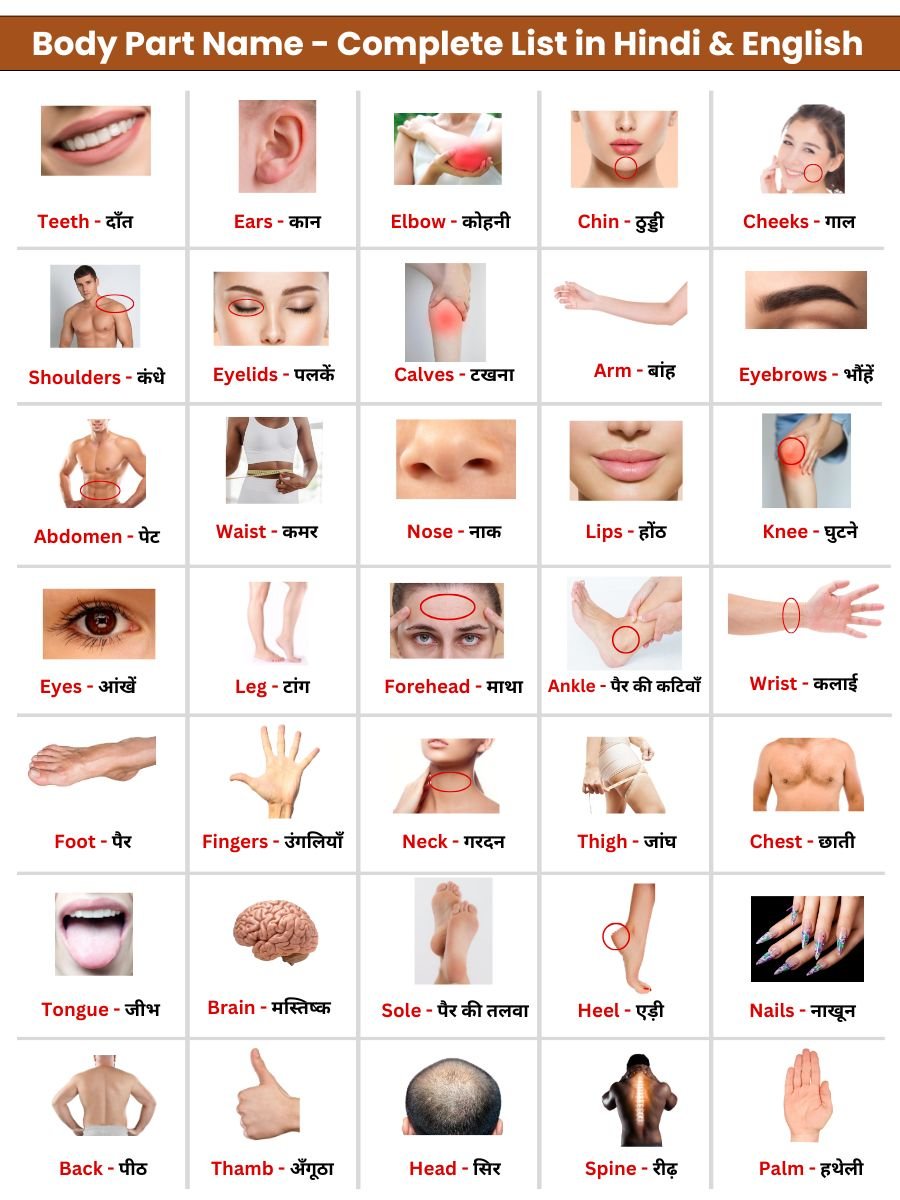
Here’s a complete list of name body parts, categorized by different systems in the body:
Head and Face:
1. Head (सिर)
 | Head | सिर |
Function: The head houses the brain, eyes, ears, nose, and mouth. It is the control center for the body, responsible for processing sensory information and controlling actions.
2. Hair (बाल)
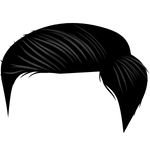 | Hair | बाल |
Function: Hair protects the body from the sun, cold, and other elements:
3. Forehead (माथा)
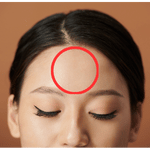 | Forehead | माथा |
Function: Protects the frontal part of the brain.
4. Eyes (आँखें)
 | Eyes | आँख |
Function: Your eyes are the sensory organs that allow you to see. Your eyes capture visible light from the world around you and turn it into a form your brain uses to create your sense of vision.
5. Eyelids (पलकें)
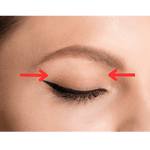 | Eyelids | पलकें |
Function: Eyelids protect the eyes from foreign objects, like dust and dirt, and from bright light. They also close quickly to prevent injury
6. Eyebrows (भौहें)
 | Eyebrows | भौहें |
Function: Eyebrows and eyelashes keep sweat, dirt, and dust out of the eyes.
7. Ears (कान)
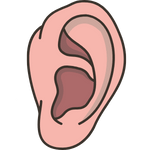 | Ears | कान |
Function: The ear’s main functions are hearing and balance.
8. Nose (नाक)
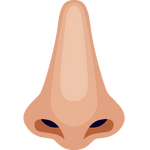 | Nose | नाक |
Function: Smell and breathing. The nose is the entrance to the respiratory system. It warms, moistens, and filters the air you breathe in.
9. Mouth (मुँह)
 | Mouth | मुँह |
Function: Eating, speaking, and breathing.
10. Teeth (दाँत)
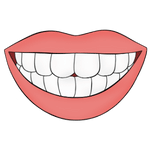 | Teeth | दाँत |
Function: Chewing food. Teeth break down food by cutting, tearing, and grinding it so it can be swallowed.
11. Tongue (जीभ)
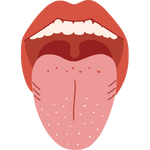 | Tongue | जीभ |
Function: Taste and assists in swallowing. It houses taste buds, allowing us to perceive different flavors—sweet, sour, salty, bitter, and umami. And it plays a key role in the swallowing process by pushing food to the back of the mouth and into the throat.
12. Jaw (जबड़ा)
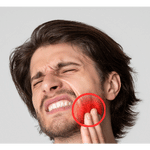 | Jaw | जबड़ा |
Function: The jaw’s primary function is to help soften solid foods and cut harder foods into smaller pieces. The jaw moves in three dimensions, and the muscles that control it contract simultaneously to create the necessary movement.
15. Temple (कनपटी)
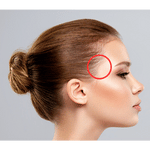 | Temple | कनपटी |
Function: The temples are the regions where several important bones of the skull converge, including the temporal bone. This area protects the underlying brain and other structures.
16. Lips (होंठ)
 | Lips | होंठ |
Function: The lips are an essential aspect of the human face and play a critical role in facial expression, phonation, sensation, mastication, physical attraction, and intimacy. The upper and lower lips are known as, respectively, labium superius oris and labium inferius oris.
17. Cheeks (गाल)
 | Cheeks | गाल |
Function: The cheek aids in enzymatic digestion by the secretion of the enzymes from the parotid gland. While in mechanical digestion, the cheek aids in maintaining the food in the mouth so that it can be chewed and swallowed. The majority of the muscles in the cheek region contribute to facial expression.
18. Chin (ठुड्डी)
 | Chin | ठुड्डी |
Function: The chin is integral to the movement of the jaw. It assists in actions such as chewing, speaking, and making facial expressions by providing a point of leverage for the muscles involved in these activities.
- Hair
- Forehead
- Temple
- Eyes
- Eyebrows
- Eyelashes
- Ears
- Nose
- Mouth
- Lips
- Teeth
- Tongue
- Cheeks
- Chin
- Jaw
Upper Body:
1. Neck (गरदन)
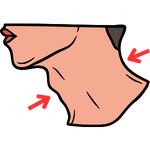 | Neck | गरदन |
Function: Supports the head and houses the trachea, esophagus, and blood vessels.
2. Throat (गला)
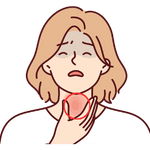 | Throat | गला |
Function: Pathway for air and food; includes voice box for speech.
3. Shoulders (कंधा)
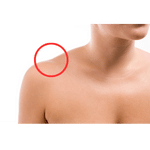 | Shoulders | कंधा |
Function: Allows arm movement and provides arm muscle attachment points.
4. Chest (छाती)
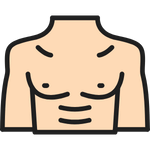 | Chest | छाती |
Function: Contains the heart and lungs; protects organs with the rib cage.
5. Back (पीछे)
 | Back | पीछे |
Function: Supports the body, enabling upright posture; provides attachment for muscles.
6. Spine (रीढ़ की हड्डी)
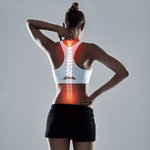 | Spine | रीढ़ की हड्डी |
Function: Supports the body’s weight, enables flexibility, and protects the spinal cord.
7. Ribs (पसलियां)
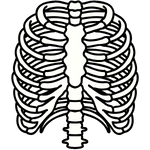 | Ribs | पसलियां |
Function: Protects heart and lungs; aids in respiration by expanding and contracting.
8. Abdomen (पेट)
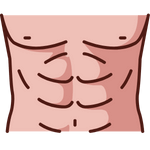 | Abdomen | पेट |
Function: Houses digestive organs and helps protect the lower torso organs.
9. Waist (कमर)
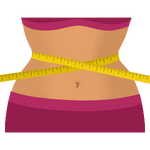 | Waist | कमर |
Function: Connects upper body to lower body and allows for movement and flexibility.
- Neck
- Throat
- Shoulders
- Chest
- Collarbone (Clavicle)
- Back
- Spine
- Ribs
- Abdomen
- Waist
Arms and Hands:
1. Upper arms (ऊपरी भुजाएं)
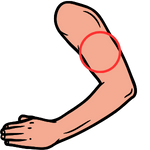 | Upper arms | ऊपरी भुजाएं |
Function: Helps lift and support arm functions.
2. Elbow (कोहनी)
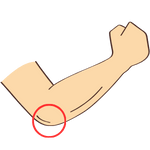 | Elbow | कोहनी |
Function: Allows the arm to bend and extend.
3. Forearm (बांह की कलाई)
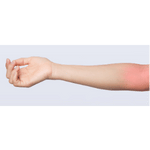 | Forearm | बांह की कलाई |
Function: Helps with wrist and hand movements.
4. Wrist (कलाई)
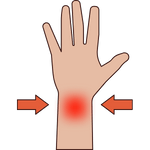 | Wrist | कलाई |
Function: Allows hand movement and flexibility.
5. Palm (हथेली)
 | Palm | हथेली |
Function: The palm’s structure allows for precise and powerful grips, which are important for holding objects and performing delicate manipulations. The fascia, a layer of connective tissue between the skin and metacarpals, helps the hand grasp objects without the skin sliding out of place.
6. Hand (हाथ)
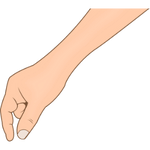 | Hand | हाथ |
Function: Enables grasping, holding, and complex movements.
7. Fingers (उँगलिया)
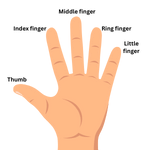 | Fingers | उँगलिया |
Function: Allow precise gripping and manipulation of objects.
8. Fingernails (उंगलियों के नाखून)
 | Fingernails | उंगलियों के नाखून |
Function: Nails help improve fine motor skills by allowing for precise movements, aiding in tasks like picking up small objects or scratching.
- Upper arm
- Elbow
- Forearm
- Wrist
- Palm
- Hand
- Fingers (Thumb, Index finger, Middle finger, Ring finger, Little finger)
- Fingernails
Lower Body:
1. Buttocks (पुट्ठा)
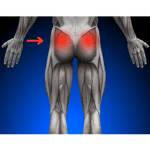 | Buttocks | पुट्ठा |
Function: The muscles of the buttocks (primarily the gluteus maximus, medius, and minimus) provide stability to the pelvis and helping maintain proper posture and balance. or support the upper body, particularly during standing, walking, and running. helping maintain proper posture and balance.
2. Thighs (जांघ)
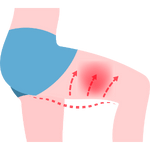 | Thighs | जांघ |
Function: Bear body weight; key in walking, running, and standing.
3. Knees (घुटना)
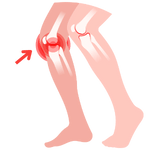 | Knees | घुटने / घुटना |
Function: Connects thigh to leg; supports leg movement and stability.
4. Legs (पैर)
 | Legs | पैर |
Function: The legs support the body’s weight and help maintain balance during various activities. enable walking, running, jumping, and other forms of movement, making them essential for mobility.
5. Calves (पिंडली)
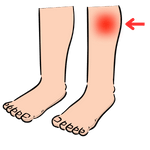 | Calves | पिंडली |
Function: Assists in moving the foot, helps in walking and balance.
6. Ankles (टखना)
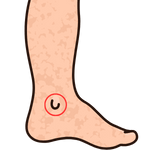 | Ankles | टखना |
Function: Enables foot movement and stability for walking and standing.
7. Feet (पैर)
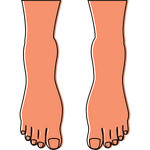 | Feet | पैर |
Function: Provides support, balance, and mobility; absorbs impact when walking or running.
8. Toes (पैर की उंगलियां)
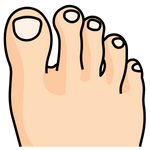 | Toes | पैर की उंगलियां |
Function: Help with balance and walking dynamics.
9. Toenails (पैर के नाखून)
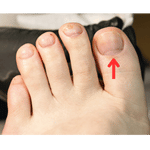 | Toenails | पैर के नाखून |
Function:
- Buttocks
- Thighs
- Knees
- Legs
- Calves
- Ankles
- Feet
- Toes
- Toenails
Internal Organs (Major):
1. Brain (दिमाग)
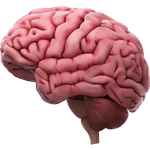 | Brain | दिमाग |
Function: Controls body functions, processes thoughts, emotions, and sensory input.
2. Heart (दिल)
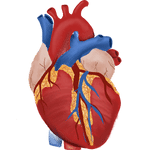 | Heart | दिल |
Function: Pumps blood throughout the body, supplying oxygen and nutrients.
3. Lungs (फेफड़े)
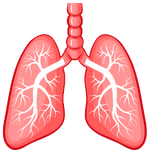 | Lungs | फेफड़े |
Function: Facilitate gas exchange, bringing oxygen in and releasing carbon dioxide.
4. Liver (यकृत)
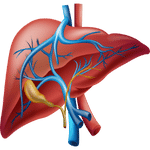 | Liver | यकृत |
Function: Filters blood, metabolizes nutrients, and produces bile for fat digestion.
5. Kidneys
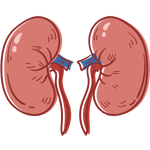 | Kidneys | Kidneys |
Function: Filter waste from blood and regulate fluid and electrolyte balance.
6. Pancreas (अग्न्याशय)
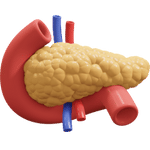 | Pancreas | अग्न्याशय |
Function: Produces digestive enzymes and regulates blood sugar levels.
7. Intestines (Small and Large) आंतें (छोटी और बड़ी)
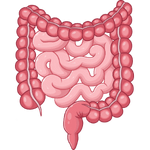 | Intestines (Small and Large) | आंतें (छोटी और बड़ी) |
Function: Absorb nutrients from food and aid in waste elimination.
8. Bladder मूत्राशय
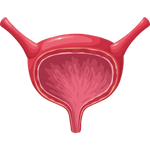 | Bladder | मूत्राशय |
Function: Stores urine until it is excreted.
9. Gallbladder (पित्ताशय की थैली)
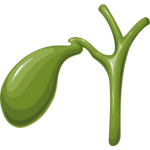 | Gallbladder | पित्ताशय की थैली |
Function: The gallbladder main function is to store and concentrate bile, a digestive fluid produced by the liver, and release it into the small intestine to help break down fats:
10. Spleen (तिल्ली)
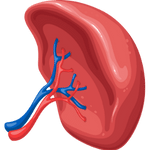 | Spleen | तिल्ली |
Function: The spleen stores and filters blood and makes white blood cells that protect you from infection. Many diseases and conditions can affect how the spleen works.
- Brain
- Heart
- Lungs
- Stomach
- Liver
- Kidneys
- Pancreas
- Intestines (Small and Large)
- Bladder
- Gallbladder
- Spleen
Skeletal System:
1. Skull (खोपड़ी)
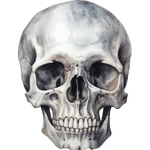 | Skull | खोपड़ी |
Function: The function of the skull is both structurally supportive and protective. The skull will harden and fuse through development to protect its inner contents: the cerebrum, cerebellum, brainstem, and orbits.
2. Ribcage (पंजर)
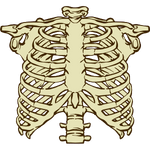 | Ribcage | पंजर |
Function: The function of the rib cage is to protect the organs of the thoracic cavity.
3. Pelvis (श्रोणि)
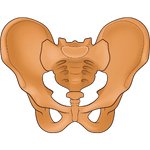 | Pelvis | श्रोणि |
Function: The pelvis encases and protects the organs in the lower abdomen, including the bladder, intestines, and reproductive organs.
4. Spine (Cervical, Thoracic, Lumbar, Sacrum) रीढ़ (ग्रीवा, वक्षीय, काठीय, त्रिकास्थि)
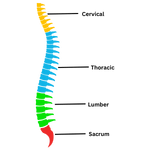 | Spine (Cervical, Thoracic, Lumbar, Sacrum) | रीढ़ (ग्रीवा, वक्षीय, काठीय, त्रिकास्थि) |
Function: The spinal cord, which is a column of nerves that connects the brain to the rest of the body. The spinal cord carries messages between the brain and the nerves, allowing the body to function and stay connected to the brain.
5. Arms (Humerus, Radius, Ulna) भुजाएँ (ह्युमरस, रेडियस, अल्ना)
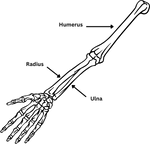 | Arms (Humerus, Radius, Ulna) | भुजाएँ (ह्युमरस, रेडियस, अल्ना) |
Function: They allow for a wide range of movements, enabling actions such as lifting, pushing, pulling, and swinging.
6. Legs (Femur, Tibia, Fibula) पैर (फीमर, टिबिया, फिबुला)
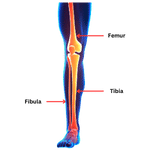 | Legs (Femur, Tibia, Fibula) | पैर (फीमर, टिबिया, फिबुला) |
Function: Your leg muscles help you move, carry the weight of your body and support you when you stand. You have several muscles in your upper and lower legs. They work together to enable you to walk, run, jump and flex and point your feet.
7. Hands (Carpals, Metacarpals, Phalanges) हाथ (कार्पल्स, मेटाकार्पल्स, फालंजेस)
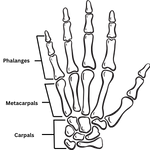 | Hands (Carpals, Metacarpals, Phalanges) | हाथ (कार्पल्स, मेटाकार्पल्स, फालंजेस) |
Function:
8. Feet (Tarsals, Metatarsals, Phalanges) पैर (टार्सल्स, मेटाटार्सल्स, फालेंजेस)
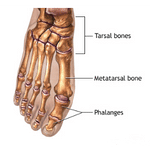 | Feet (Tarsals, Metatarsals, Phalanges) | पैर (टार्सल्स, मेटाटार्सल्स, फालेंजेस) |
Function:
- Skull
- Ribcage
- Pelvis
- Spine (Cervical, Thoracic, Lumbar, Sacrum)
- Arms (Humerus, Radius, Ulna)
- Legs (Femur, Tibia, Fibula)
- Hands (Carpals, Metacarpals, Phalanges)
- Feet (Tarsals, Metatarsals, Phalanges)
Muscles:
1. Deltoids (Shoulders) डेल्टोइड्स (कंधों)
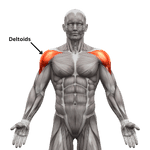 | Deltoids (Shoulders) | डेल्टोइड्स (कंधों) |
Function: The deltoid muscles provide stability to the shoulder joint, helping protect it Triceps (Arms)from dislocation and ensuring smooth movement during arm and shoulder activities.
2. Biceps (Arms) बाइसेप्स (बाहें)
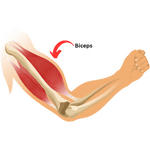 | Biceps (Arms) | बाइसेप्स (बाहें) |
Function: The biceps helps flex the elbow, but it’s not the primary flexor. The brachialis muscle is the primary flexor of the elbow.
Triceps (Arms) ट्राइसेप्स (बाजू)
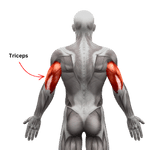 | Triceps (Arms) | ट्राइसेप्स (बाजू) |
Function: The triceps’ primary function is to straighten the arm at the elbow joint. This is a necessary movement for many everyday activities, such as reaching, getting dressed, and standing up from a chair.
Pectorals (Chest) पेक्टोरल्स (छाती)
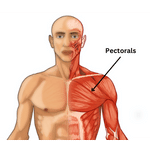 | Pectorals (Chest) | पेक्टोरल्स (छाती) |
Function: The pectorals, commonly referred to as the chest muscles, consist primarily of the pectoralis major and pectoralis minor. These muscles play an essential role in upper body movement, strength, and stability. and is important for movements such as pushing, throwing, and lifting.
Abdominals (Abs) पेट (एब्स)
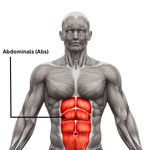 | Abdominals (Abs) | पेट (एब्स) |
Function: The abdominal muscles, commonly referred to as the “abs,” consist of several muscle groups, including the rectus abdominis, transverse abdominis, internal obliques, and external obliques. Together, they provide core stability, support movement, and protect internal organs.
Quadriceps (Thighs) क्वाड्रिसेप्स (जांघें)
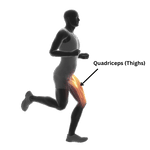 | Quadriceps (Thighs) | क्वाड्रिसेप्स (जांघें) |
Function: The quadriceps, commonly known as the “quads,” are a group of four muscles located at the front of the thigh: the rectus femoris, vastus lateralis, vastus medialis, and vastus intermedius. Together, they perform critical functions related to leg movement, stability, and power.
Hamstrings (Back of Thighs) हैमस्ट्रिंग (जांघों का पिछला भाग)
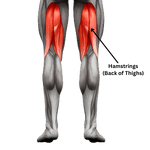 | Hamstrings (Back of Thighs) | हैमस्ट्रिंग (जांघों का पिछला भाग) |
Function: These functions make the hamstrings crucial for efficient and stable lower body movement. Strengthening and stretching them can enhance performance, prevent injuries, and support overall leg health.
Calf Muscles पिंडली की मासपेशियां
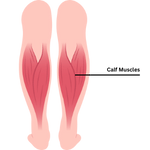 | Calf Muscles | पिंडली की मासपेशियां |
Function: These functions make the calf muscles essential for activities that involve standing, movement, and balance, as well as endurance-based activities. Their strength and flexibility are crucial for lower body mobility and overall physical performance.
- Deltoids (Shoulders)
- Biceps (Arms)
- Triceps (Arms)
- Pectorals (Chest)
- Abdominals (Abs)
- Quadriceps (Thighs)
- Hamstrings (Back of Thighs)
- Calf Muscles
Reproductive System:
Male: Penis, Testicles, Prostate
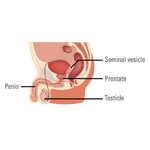 | Male: Penis, Testicles, Prostate | पुरुष: लिंग, अंडकोष, प्रोस्टेट |
Function:
Female: Vagina, Uterus, Ovaries, Cervix, Fallopian Tubes
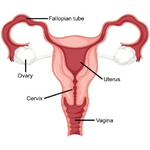 | Female: Vagina, Uterus, Ovaries, Fallopian Tubes | महिला: योनि, गर्भाशय, अंडाशय, फैलोपियन ट्यूब |
Function:
- Male: Penis, Testicles, Prostate
- Female: Vagina, Uterus, Ovaries, Fallopian Tubes
This list covers most of the name body parts in both external and internal categories.
Also Read –